Building a card game with AI agents, from stalled idea to playtest
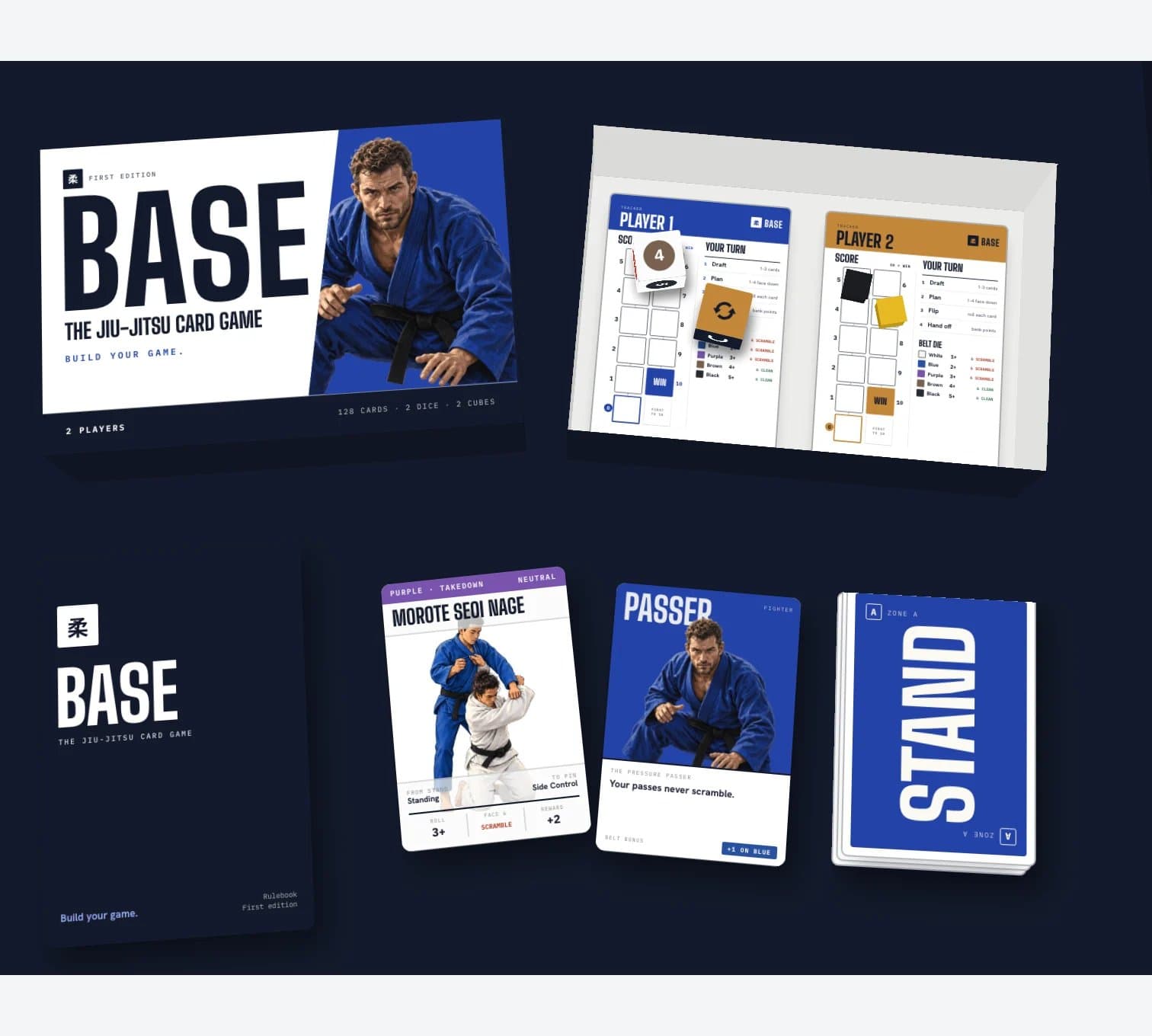
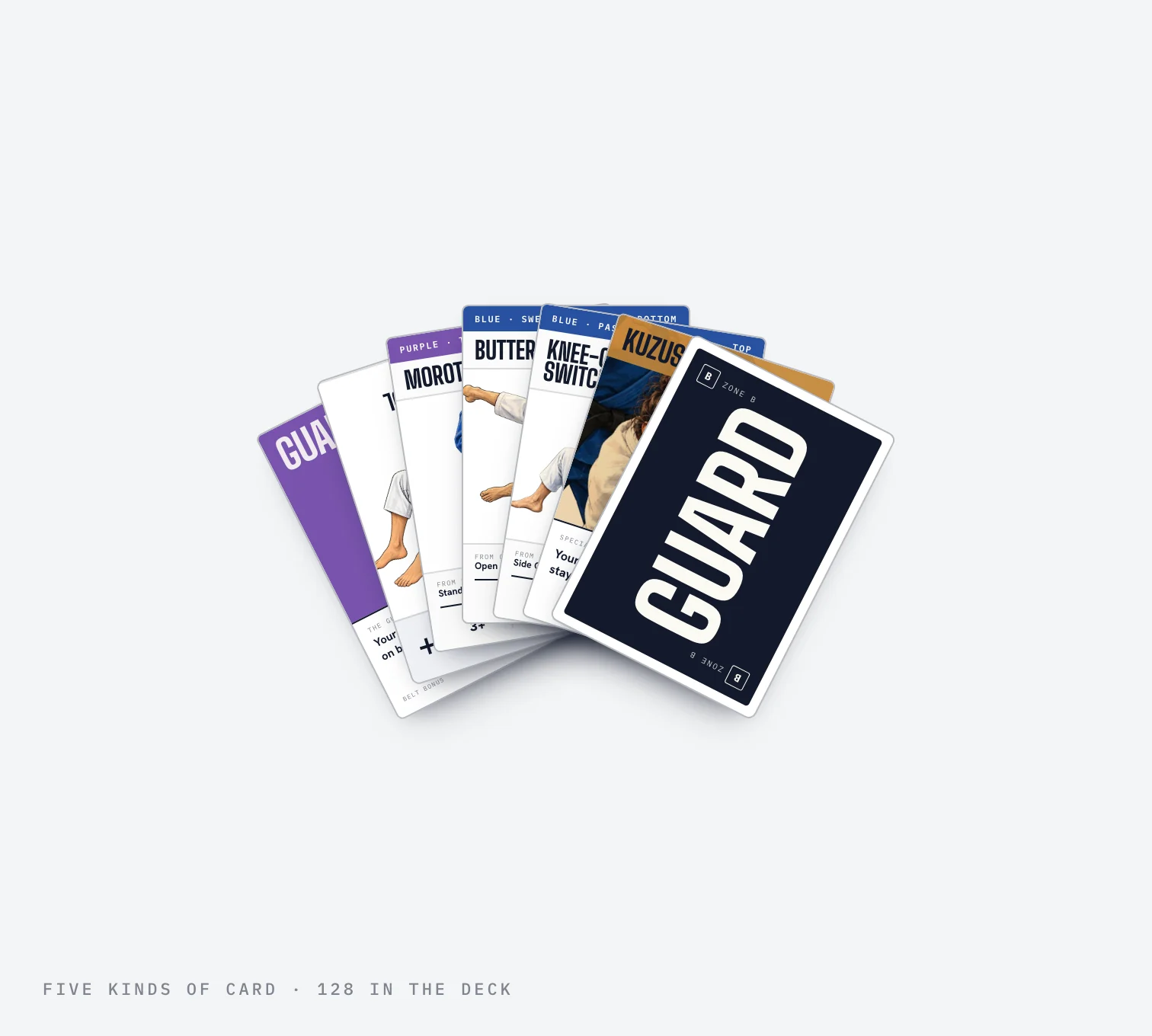
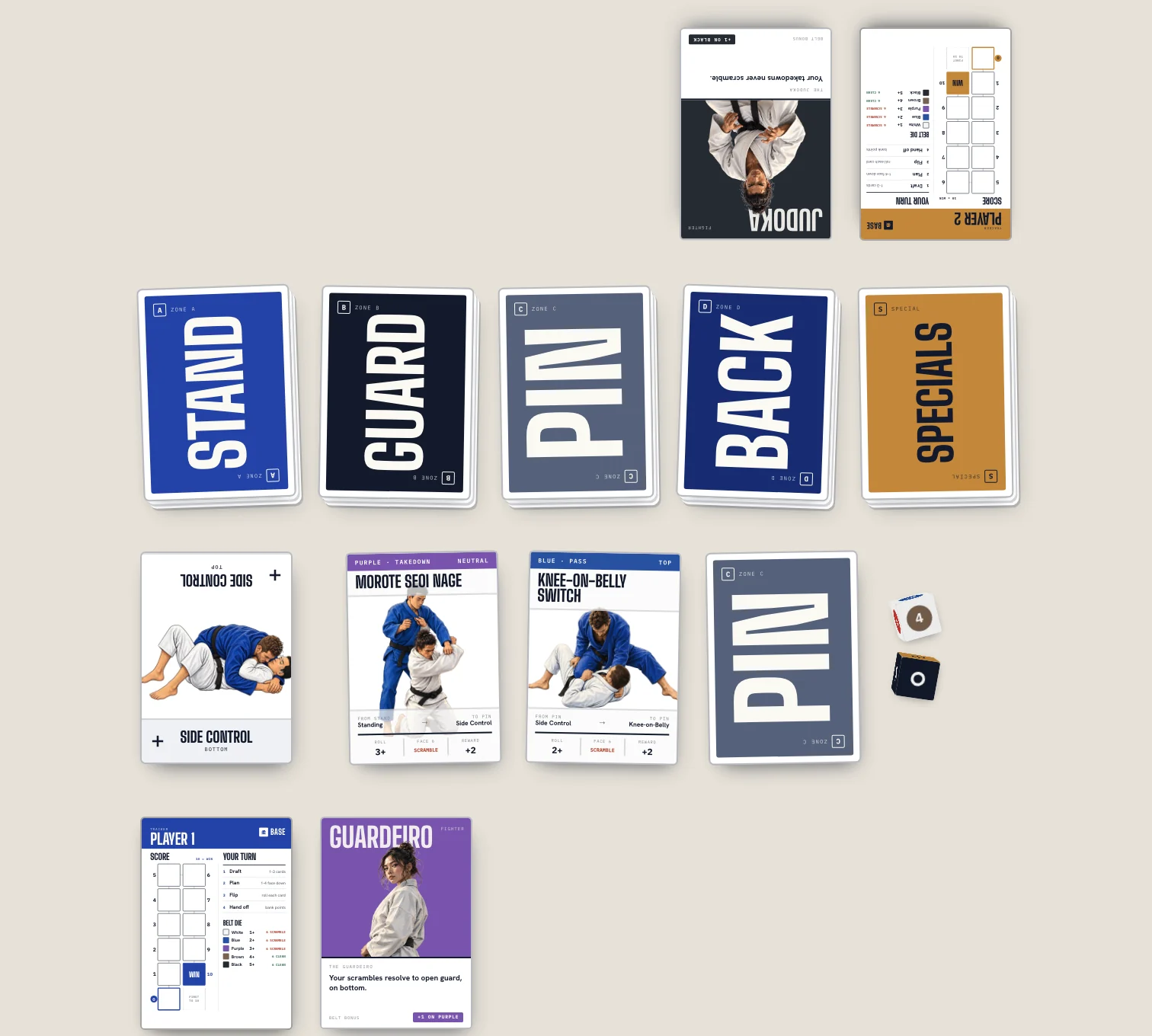
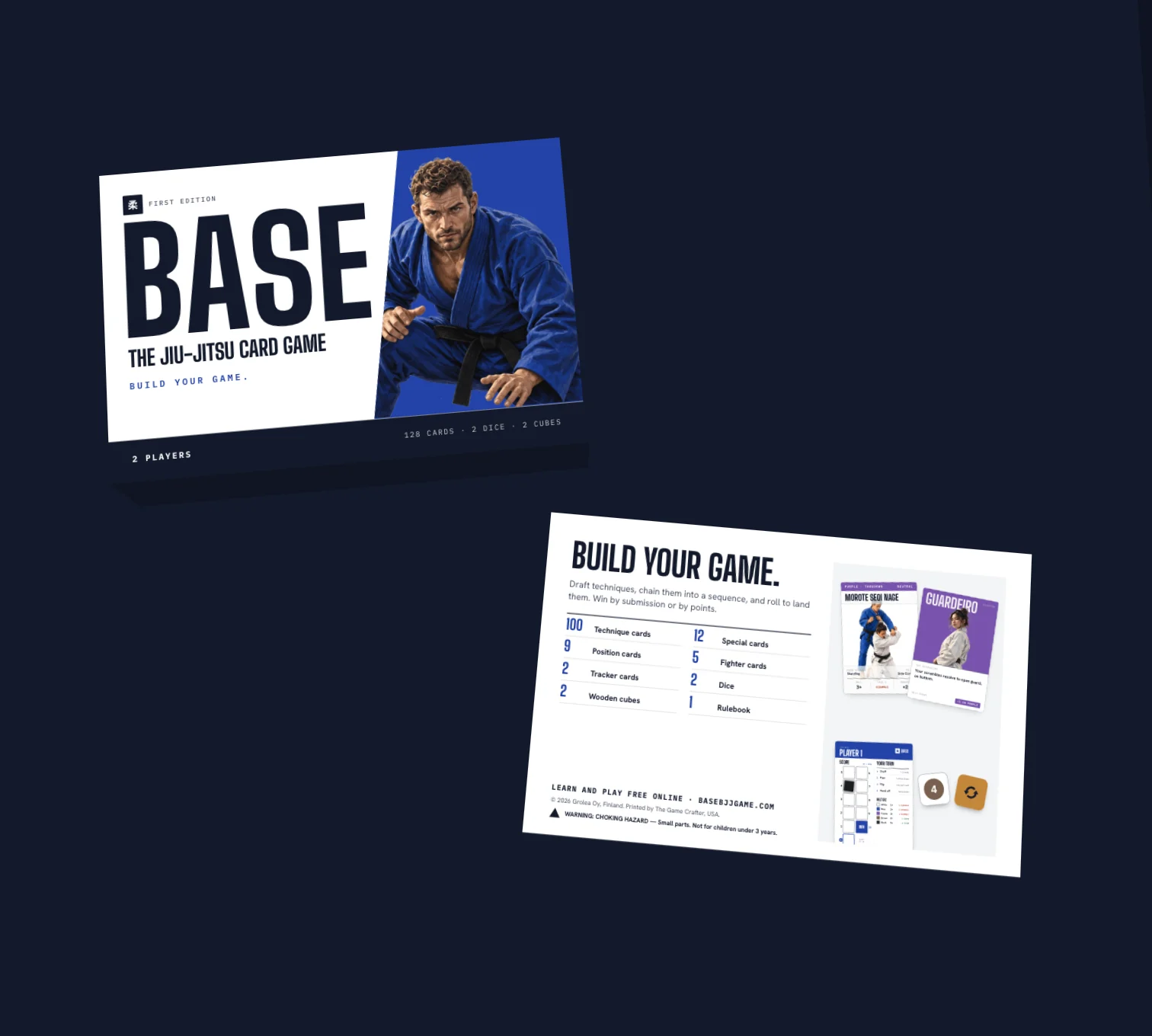
Base is a jiu-jitsu card game that sat unfinished for five years. AI-native development took it from idea to a 128-card deck, an online game and an open playtest in 40 days of commits.

An idea that stalled for five years
Base started in 2021 as a lockdown idea: a physical card game that plays like Brazilian jiu-jitsu, fun with friends and realistic enough to teach the techniques. Early versions were designed and printed, but the details and the balance never came together. A realistic grappling game has too many interacting rules to tune at the kitchen table.
In January 2026 we picked it up again, this time as a Grolea product built AI-native from the first commit.
- Base – The Jiu-Jitsu Card Game
- a Grolea product
- Kimmo Nurmisto
- Claude Code
- Claude Design
- ChatGPT
- Playtest, October 2026
- basebjjgame.com
Building the game as software first
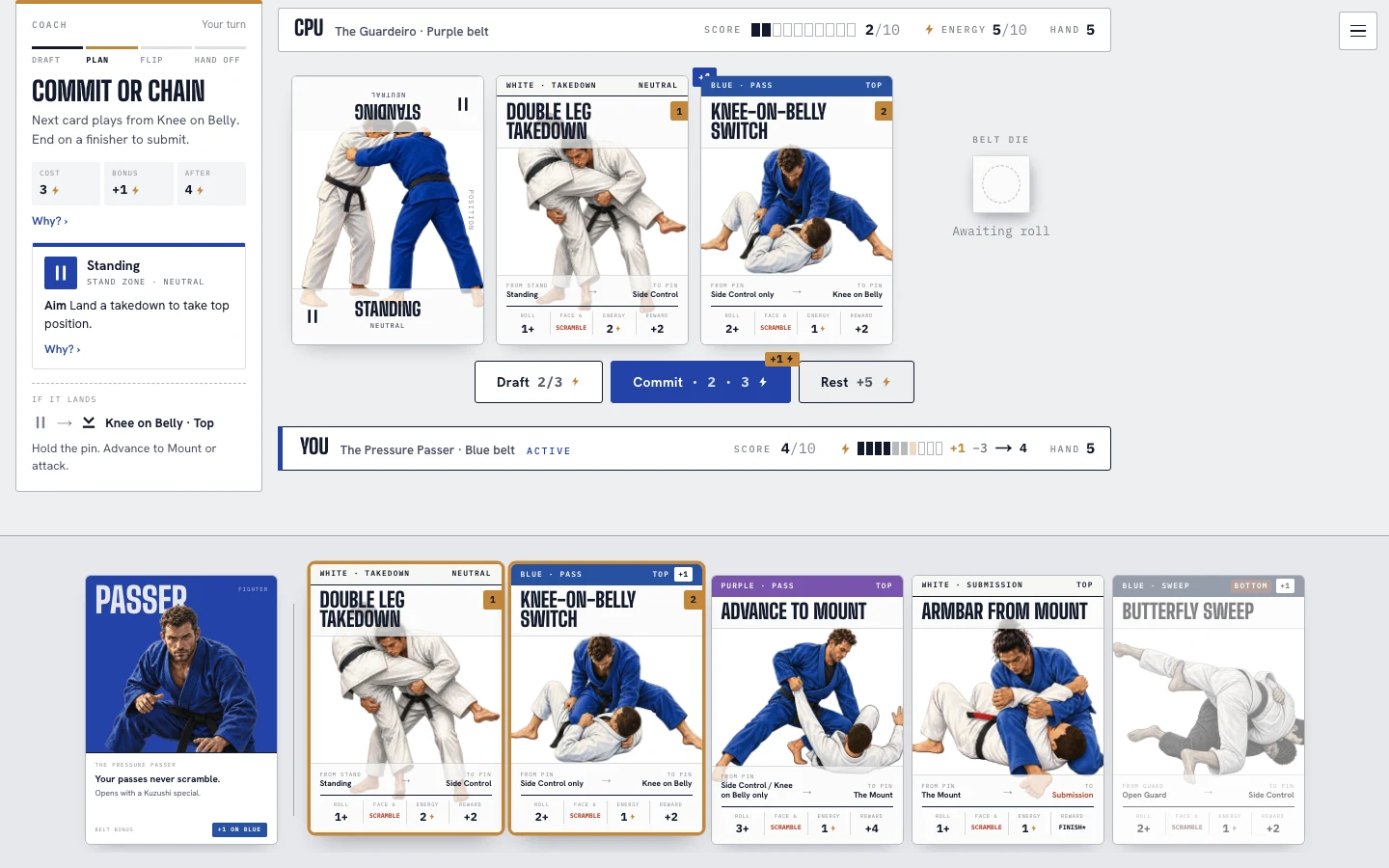
Instead of printing another prototype, we built the game as software. The digital version became the test bench: a rules engine that decides every move on the server, a computer opponent, and an in-game coach that explains each position as you play.
Claude Code and Claude Design did most of the design and development work. Part-time, over nine months, the project grew to 258 commits and roughly 46,000 lines of code, almost all of it written with AI coding agents and reviewed before it merged.
Balancing with hundreds of thousands of simulated games
The simulator is what finally solved the balance problem. ChatGPT helped design the experiments, and the engine played them out. More than forty simulation reports compare rule changes across runs of up to 200,000 games each, covering fighter strength, scoring and how moves chain together.
The biggest late change, removing the energy resource from the game entirely, was decided on that evidence rather than on feel.
One founder, the whole product
What came out of it:
The agents prepare the work and the founder makes the calls. That split is written into the project plan the agents work from.
Next: agent-run growth operations
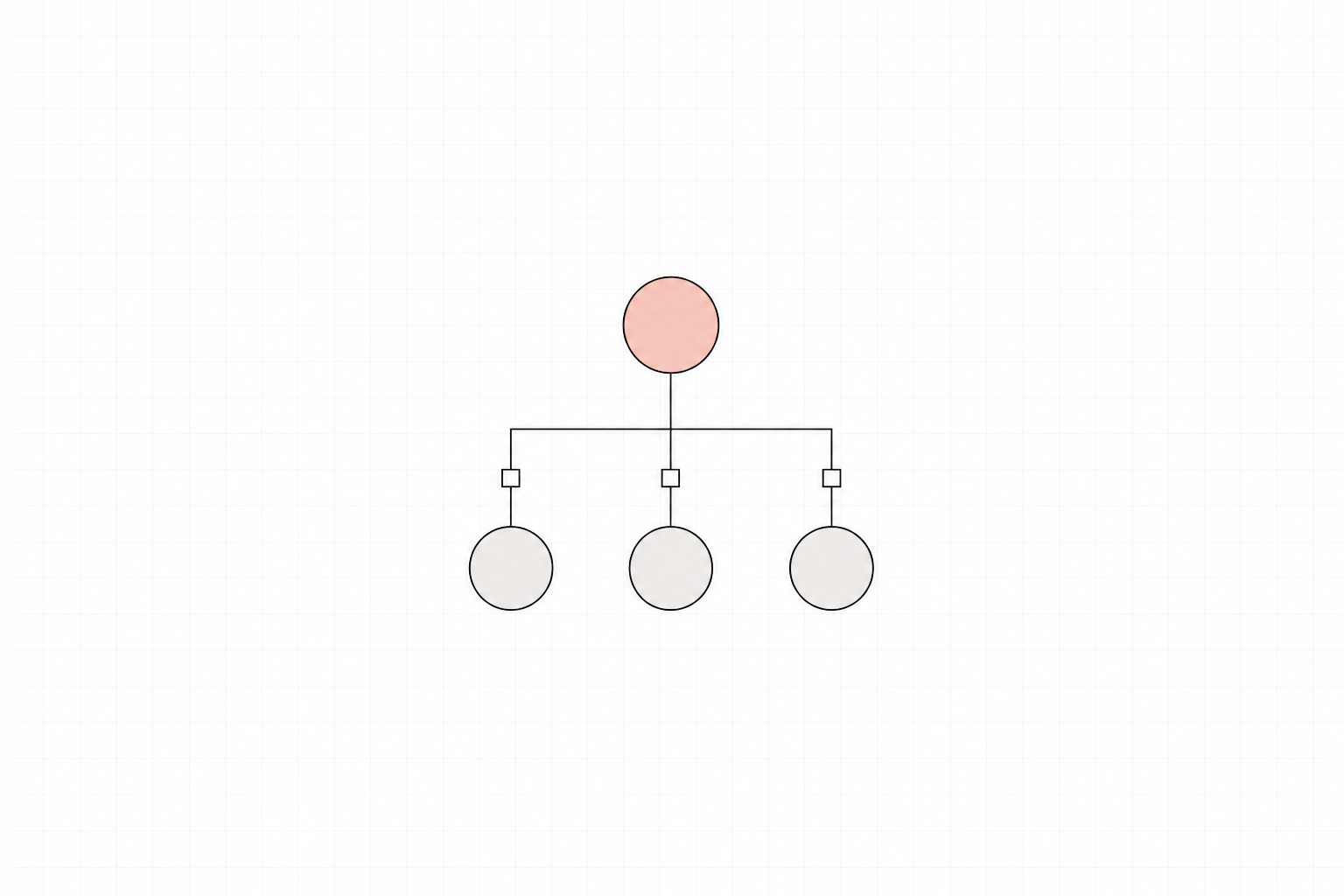
Base is now in an invite-only playtest. A Paperclip agent organization is being set up to run growth and marketing: social channels, content and outreach. It applies the same model that built the product, with agents doing the work and a person approving what matters.


Have an idea that stalled for want of a team?
We design, deploy and operate agent companies on infrastructure you control. Bring the idea to a working session.