Grolea Rewrite: From growth consulting to AI-native operating systems
Why Grolea is moving from traditional growth consulting to build AI-native operating systems, and why I am betting on an open-source AI stack.


For most of the last decade growth consulting had a stable playbook. You studied a company, found the weak point in its positioning or go-to-market, and handed back a strategy and a plan to run it. Grolea did a version of that for deep-tech and B2B SaaS companies, and for years it worked well.
It doesn't anymore.
The founders and executives I talk to don't need another opinion about AI. They've read the same reports I have, and most can describe what good looks like. What they don't have is anyone to actually rebuild how the company runs now that the tools have changed. Everyone is stuck in the same place: they see it clearly but can't make it happen. No strategy deck fixes that.
Why the bottleneck moved from technology to ownership
I get a second view of this from my work at Sitra, where I lead data and technology initiatives to improve public-sector productivity. The views here are my own. At that scale, with large institutions and serious budgets, technology is almost never what holds things up. The capability is there. The hard part is ownership: deciding what to rebuild and pushing it through an organization that wasn't built for it.
The same wall shows up in a forty-person SaaS company, just on a smaller budget. Everywhere I look the bottleneck isn't the technology anymore. It's who owns turning it into the way work actually gets done.
Rebuilding a consultancy around AI-native operations
Advice, however sharp, doesn't deliver a rewrite. So I changed what Grolea does. Instead of recommending growth strategies it now embeds at the executive level, builds an AI-native operating system on the client's own infrastructure, and hands it to the team that will run it. The old label, deep tech, Web3, strategic advisory, says more about where I came from than where this is going.
This wasn't a tidy repositioning exercise. It was the same rewrite I keep describing, turned on my own practice. If every company has to rebuild around AI it would be strange to exempt my own.
Why the future runs on an open-source AI stack
The other half of my thinking is out in the open. Paperclip Blueprints is a tool I built that spins up a complete AI-native company from a short markdown brief. You describe the company in plain language, what it is, what it's for, and what it should not do, and the tool generates everything an agent organization needs to run: roles and reporting lines, budgets, approval gates, projects, and operating rules. It builds all of that for Paperclip, an open-source platform that gives a workforce of agents the same operating scaffolding a real company depends on. The tool is early, version 0.1, and it stands on patterns other people worked out before me.
One conviction keeps getting stronger as I build: the version of this shift that lasts will run on open-source, on infrastructure you control. If AI becomes the layer your company runs on you don't want it as a rented black box. An open stack means you keep the control, the data, and the option to change your mind.
What's next
None of this is finished. The pivot is recent, the tools are early, and I'm still figuring things out as I go. What I'm sure of is the direction, and that the old version of this work isn't coming back.
I write about it as I build, roughly every other week, in a newsletter called The Rewrite. If this is the problem you're dealing with, come follow along.
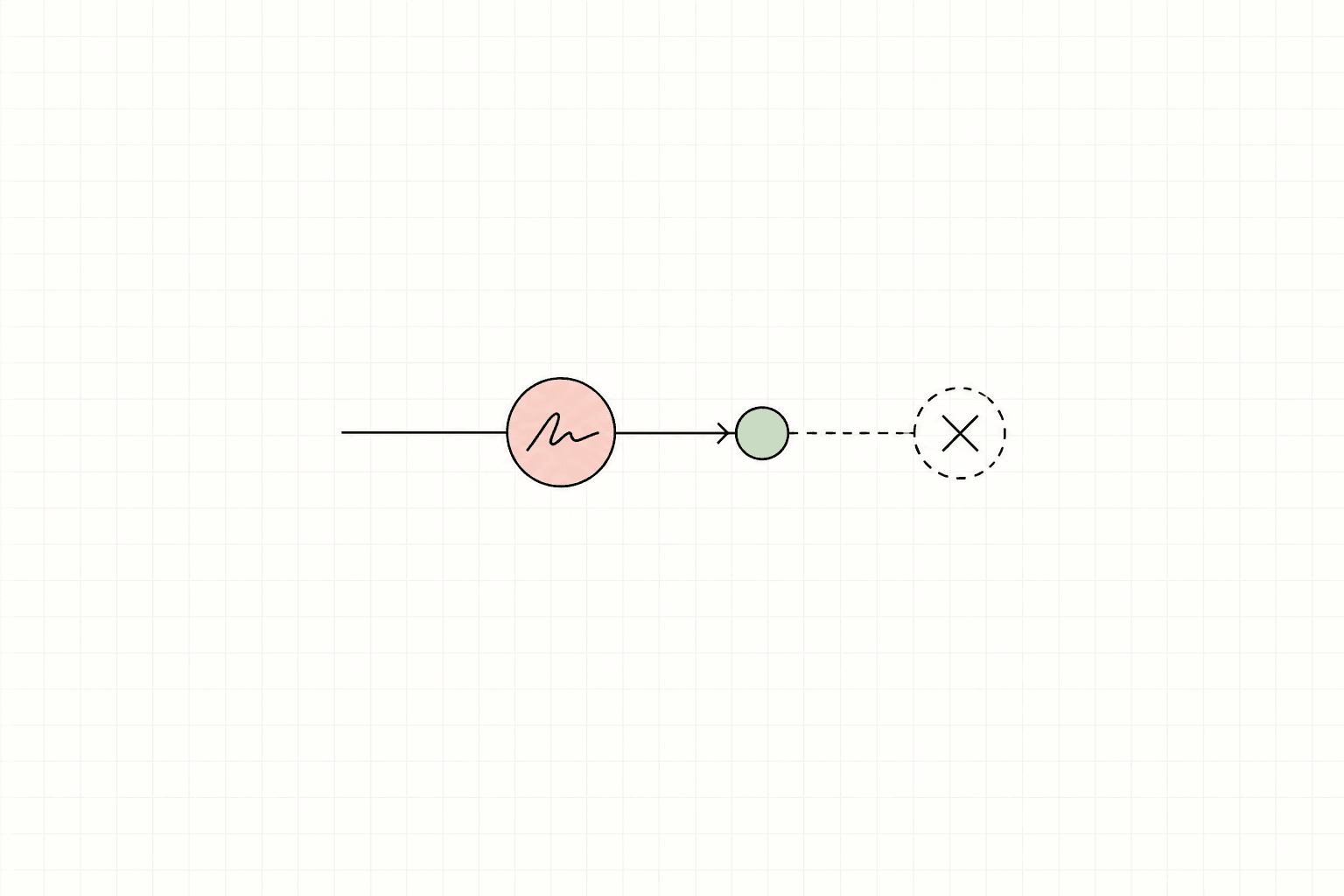
AI agent accountability has to be assigned before the agent acts
When an AI agent deletes data or acts on a bad output, blame spreads across everyone who touched it. Name the owner, the approver and the record first, then check which the system enforces.
Paperclip AI alternatives for teams that must own their infrastructure
What to use instead of Paperclip AI, and when. Herdr, Orca, n8n, OpenClaw, LangGraph and the managed clouds, sorted by the job they do and who holds your data.
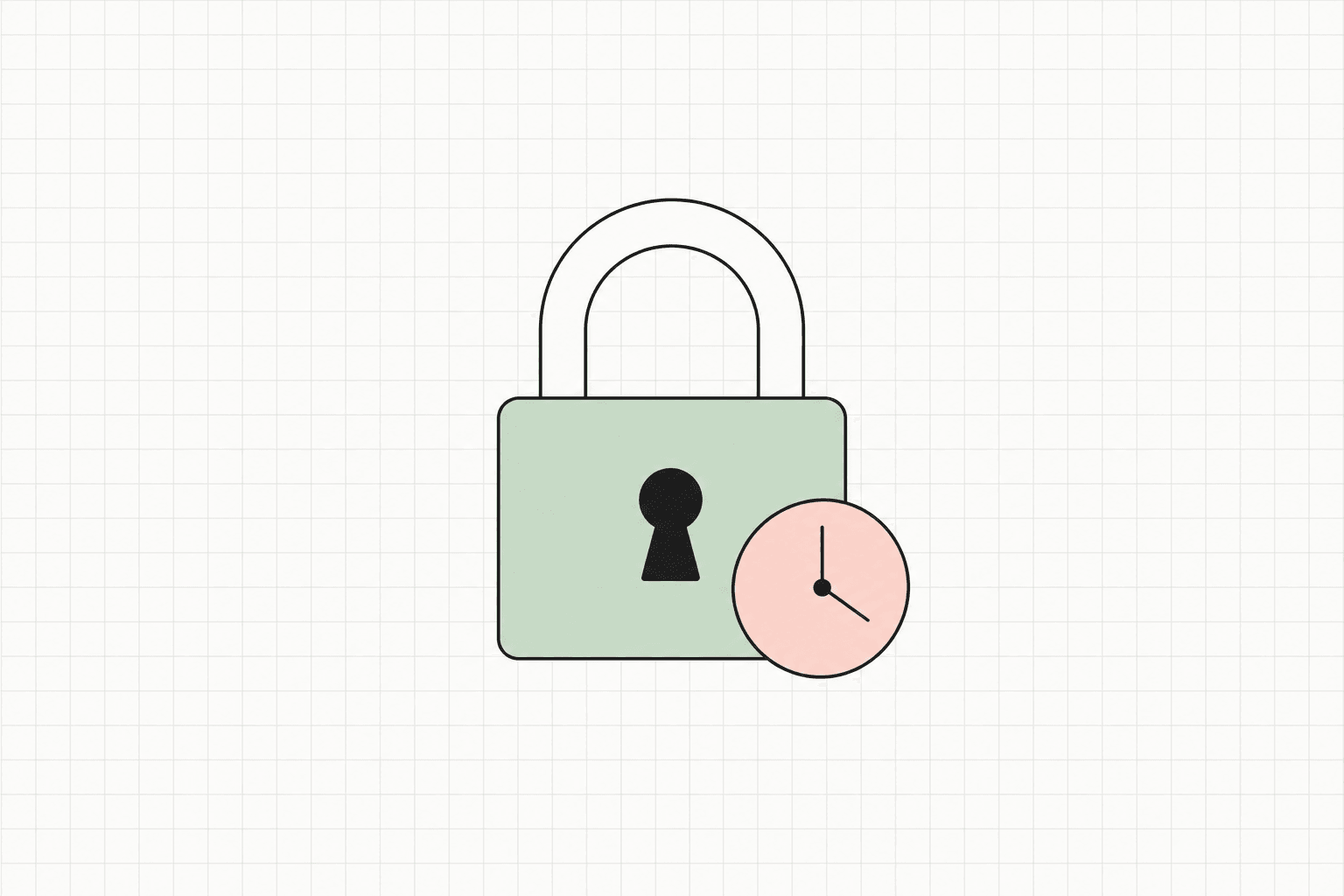
Your Agent Signed In Successfully, And Has Been Failing Ever Since
A connection that authenticates now can still fail silently hours later. Four separate reports, and five checks for whether your system would catch it.