An Agent Governance Framework in Three Layers
Who is accountable when your agents run? A three-layer agent governance framework that gates the risky work without slowing the routine.

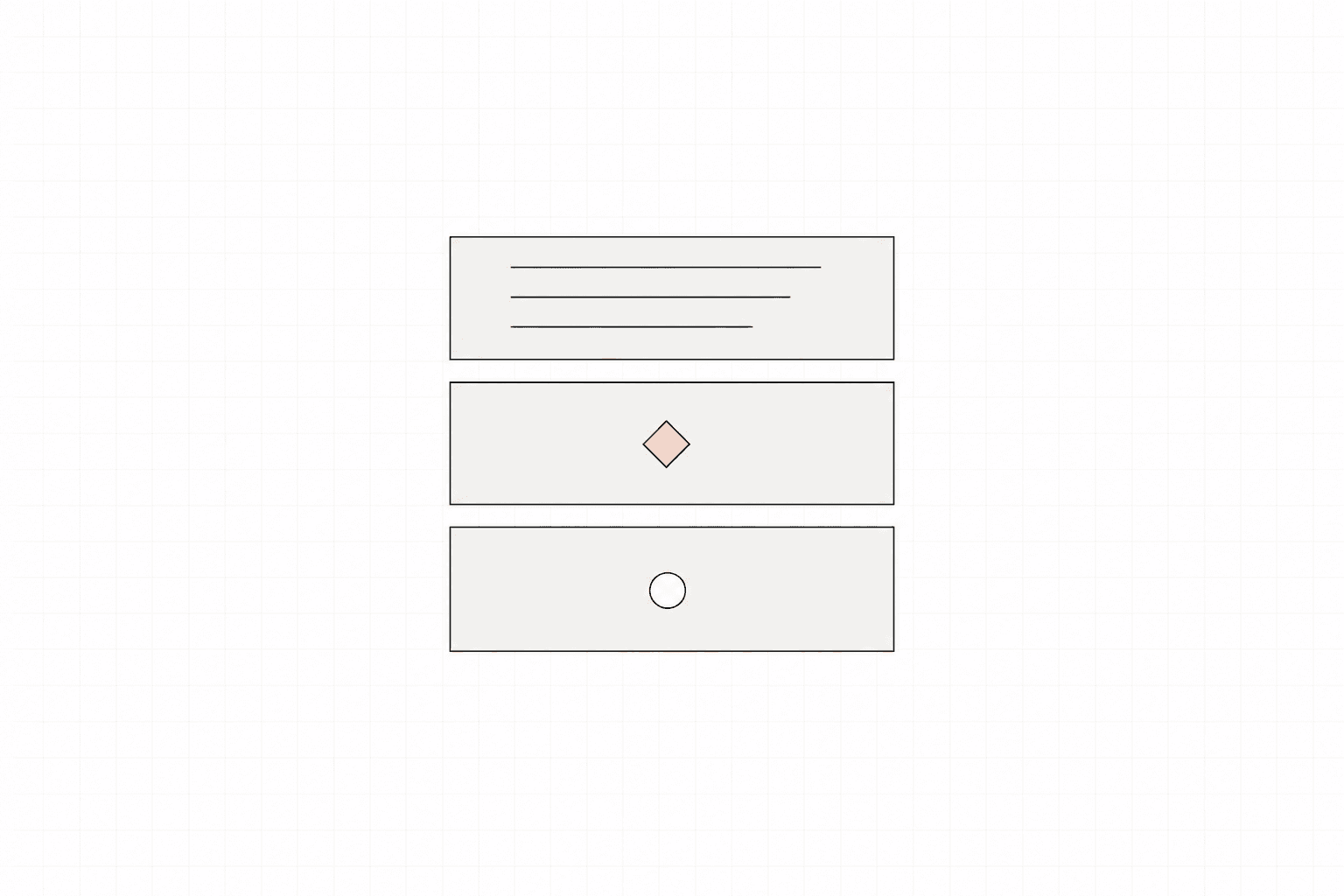
The question that should keep an agent operator up at night is not whether the prompt is good enough. It is who is accountable when the agent gets it wrong. If you run a fleet, you already feel that pressure. A deploy went out, an email got sent, a record got deleted, and the honest answer to who signed off is nobody. Governance is the word for the language you don't have yet.
Why most governance frameworks collapse at agent scale
There is a wide gap between "I told the agent what to do" and "I have a framework that ensures agents do the right thing." The first is an instruction. The second is a system that holds when you are not watching, which with agents is most of the time. Frameworks built for humans break at agent scale in three specific places. High-stakes tasks run ungated, so a production deploy takes the same path as a formatting fix. Nobody can see what actually ran, so there is no record to audit. And no one owns the output, so when something breaks the accountability chain is empty. Close those three gaps and you have the start of real governance.
The three governance layers
Layer one: specification
Write the agent's job down before it runs. Not a prompt you tuned until the demo worked, a spec: what the agent is responsible for, what it must never do, who it hands off to. This is the spec-first workflow, and the instruction set is the governance document. It is the anchor everything else attaches to. An operator who skips it has no reference to check the agent's behaviour against, so there is nothing to hold the agent accountable to and no clean way to say whether a given action was in scope or out of it. The spec is cheap to write, and it is the difference between governing a fleet and hoping it behaves.
Layer two: approval
Gate the tasks that can hurt you. Production deploys, external communications, data deletions, spend. Those get a review stage where a human or an agent policy gate signs off before the action proceeds. Everything else, the routine majority of what a fleet does, flows through untouched. This is task-level gating, and the load-bearing word is targeted. You are not slowing the agent down across the board. You are putting a checkpoint on the narrow set of actions where a wrong call is expensive and hard to reverse. Routine work stays fast. The exceptions stop and ask.
Layer three: accountability
Assign an owner to what the agent produces. Someone reviews the output, and the system records who ran what, when, and where work handed off between agents. A healthy fleet timeline shows exactly that: when each agent worked, how the handoffs happened, where two agents overlapped on the same thing. That visibility is how a founder answers the plain question "what did my agents do today?" without reconstructing it from raw logs by hand. Without it, you have agents doing work and no one able to stand behind the result. Accountability is the layer that turns activity into something you can vouch for.
Why "governance equals slow" is a false trade-off
The usual objection is that governance slows everything down. It does, if you build it wrong. A framework that gates every action is slow, because most actions never needed a gate. A framework that gates only the high-stakes decisions is both fast and safe, because the routine work never touches a checkpoint. The three layers divide the labour cleanly. Specification and approval decide what the agent may do and where it must stop; accountability proves afterward that the system worked. Speed and control stop being a trade the moment you stop gating the wrong things.
What the framework looks like in practice
Make it a checklist you run before any agent goes to production. Is the agent's job written down as a spec? Are the high-stakes actions it can take identified and gated? Is there an owner for its output, and a timeline that shows what it did? Answer yes to those and the agent is governed. Answer no and you have a capable process with nobody accountable for it, which is the exact situation the framework exists to prevent. The point is not more paperwork. It is a small, fixed set of questions you ask once per agent.
Where to start
Specification and accountability you can stand up on your own. The approval layer is where operators tend to get stuck, because gating the right actions without gating everything takes some care. If that is the layer you want to implement first, here is how to configure execution policies in Paperclip, which walks through the gate mechanics end to end.
Your Agent Signed In Successfully, And Has Been Failing Ever Since
A connection that authenticates now can still fail silently hours later. Four separate reports, and five checks for whether your system would catch it.
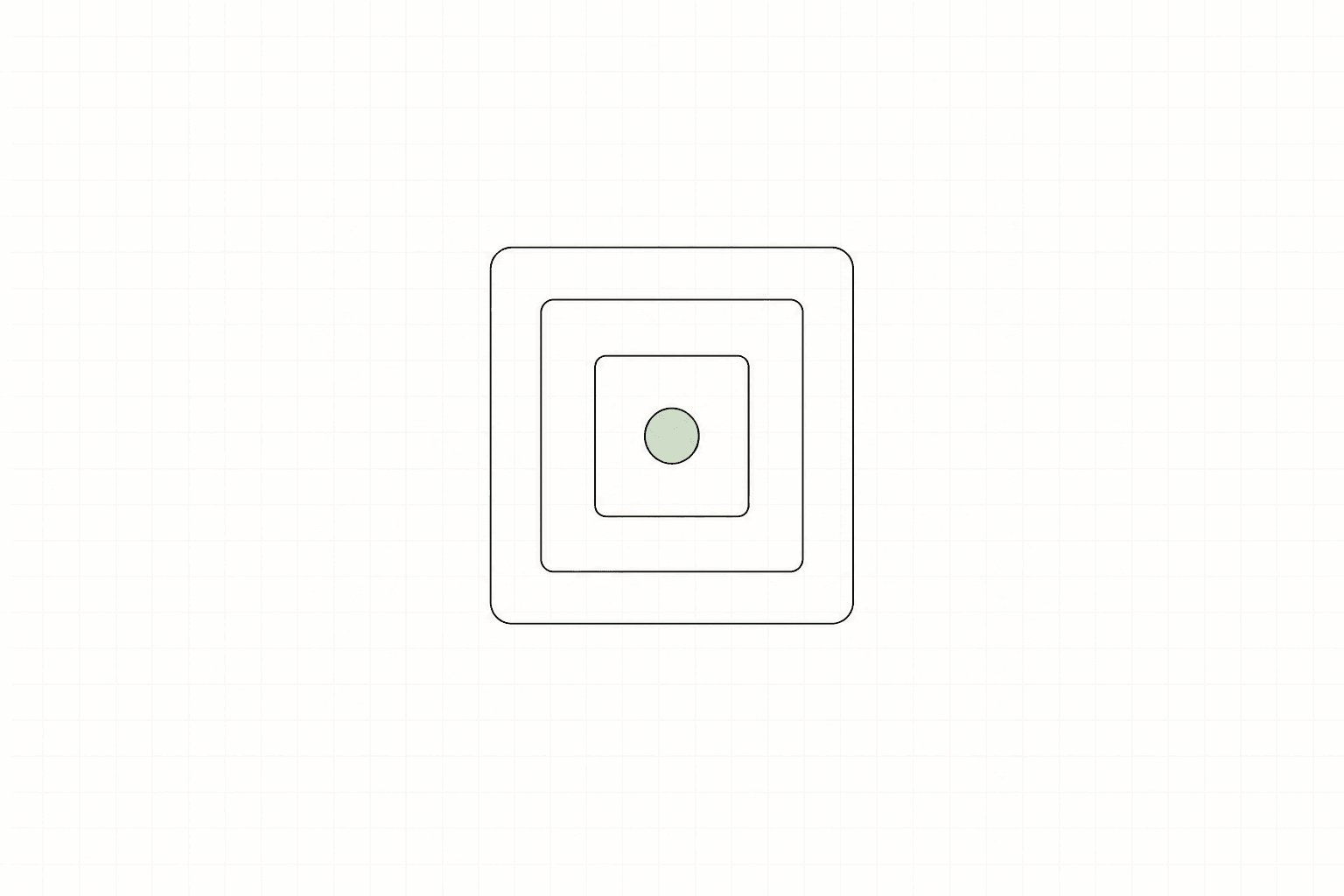
The AI agent governance stack
The AI agent governance stack has three layers: sandbox isolation, credential confinement, and run attribution. Here's what each does and why operators need all three.
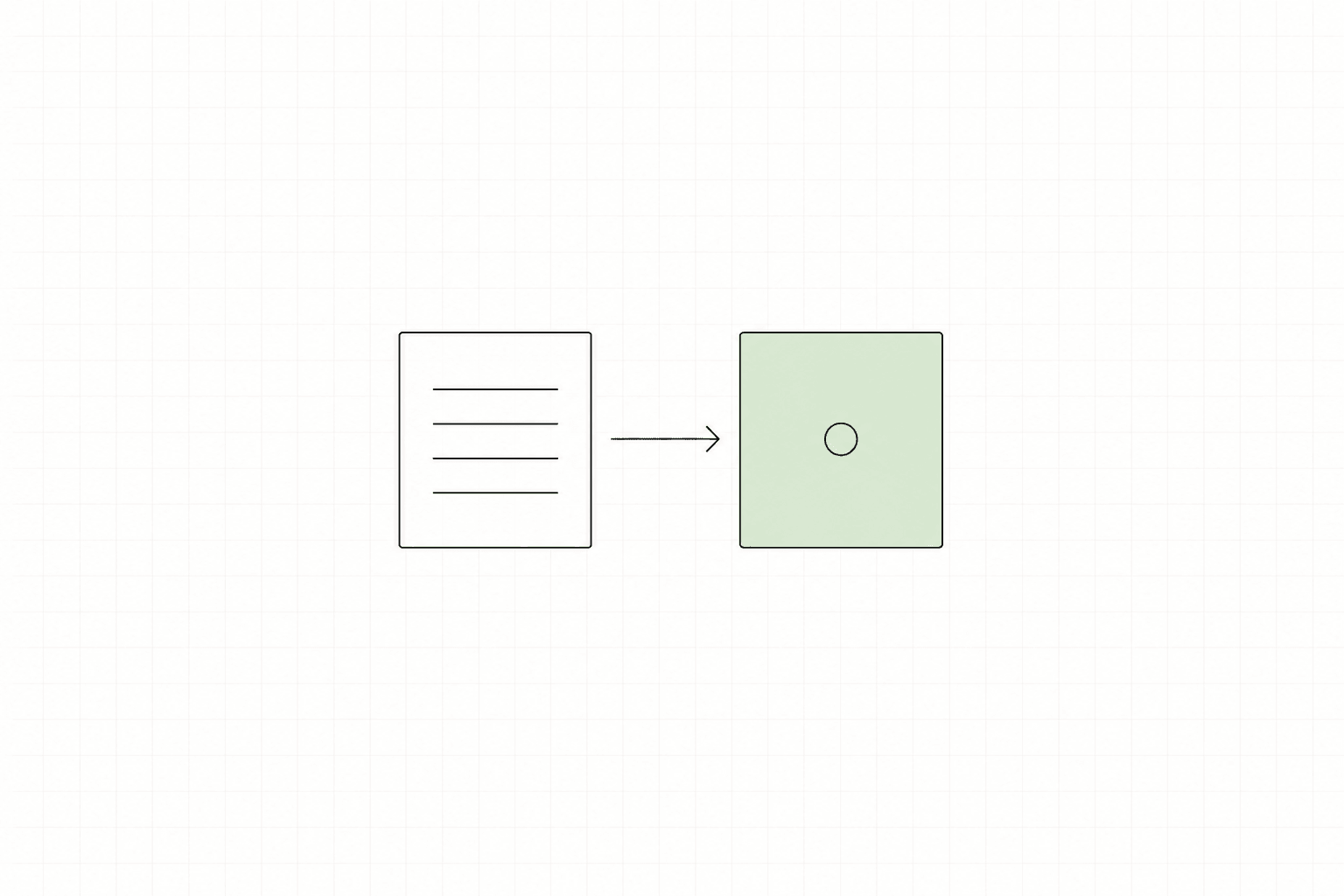
AI agent sandboxing is the layer your fleet needs after the audit trail
AI agent sandboxing is the enforcement layer that sits after the audit trail. What run isolation actually means for a fleet operator and where the stack is going.